
Exploring cultural perceptions of gambling across different societies
The Historical Context of Gambling
Gambling has a rich history that dates back thousands of years, with archaeological evidence indicating its presence in ancient civilizations such as Mesopotamia, China, and Egypt. In these societies, gambling was often intertwined with religious and social practices, serving as a form of entertainment as well as a means of divination. For example, the Chinese used dice made from bones, known as “astragali,” in rituals and games of chance, reflecting how gambling was embedded in their cultural fabric. Today, many online platforms, like Lucky Mister Casino, continue this tradition with a modern twist.

In ancient Rome, gambling was legalized and even enjoyed by the elite, demonstrating a societal acceptance that varied significantly across cultures. The Romans participated in various games, often betting on gladiatorial contests and chariot races, which were not only popular but also influential in shaping their social dynamics. This acceptance was not universal, as many cultures viewed gambling as a vice, leading to restrictions and regulations aimed at curbing excessive behavior.
As gambling spread globally through trade and colonization, it adopted different forms and meanings based on local customs. The evolution of gambling, from clandestine games to regulated casinos, illustrates how cultural perspectives can shape the practice. In some societies, such as in the UK, gambling became synonymous with leisure, while in others, like certain Islamic cultures, it remains largely forbidden, highlighting the diverse moral frameworks that govern gambling behaviors.
Cultural Attitudes Towards Gambling
The perception of gambling varies greatly across cultures, influenced by religious beliefs, social norms, and historical context. In Western societies, such as the United States and Canada, gambling is often seen as a form of entertainment and an opportunity for social interaction. The proliferation of casinos and online gambling platforms reflects a more permissive attitude, making it a significant part of the economy and tourism sector. Events like the Super Bowl and the Kentucky Derby attract millions of gamblers, further normalizing the activity.
In contrast, many Asian cultures, particularly in countries like China and Japan, view gambling with a mix of excitement and caution. Traditional games like Mahjong and Pai Gow are enjoyed during family gatherings, yet the potential for addiction and loss often leads to a more wary attitude towards gambling. The Chinese New Year, a time for family reunions, often features games of chance, but such activities are balanced with cultural teachings about moderation and responsibility.
Religious beliefs play a crucial role in shaping these attitudes. In predominantly Muslim countries, gambling is largely prohibited due to Islamic law, which regards it as a sinful activity that promotes greed and wastefulness. Conversely, in cultures with minimal religious restrictions, gambling can serve as a rite of passage or a community bonding experience, showcasing how diverse beliefs influence not only individual choices but also societal regulations surrounding gambling.
The Socioeconomic Impact of Gambling
Gambling carries significant socioeconomic implications, affecting both individual participants and broader communities. In regions where gambling is legalized, such as parts of Europe and North America, it can contribute substantially to economic growth through taxation and job creation. Casinos and betting establishments provide employment opportunities, stimulate tourism, and can lead to increased infrastructure development, demonstrating how gambling can be a double-edged sword in terms of economic benefits.
However, the positive aspects must be weighed against the potential for negative consequences, such as gambling addiction and financial ruin. In many societies, the availability of gambling options has led to an increase in problem gambling, prompting governments to implement responsible gaming measures. Countries like Sweden have introduced stringent regulations to safeguard individuals against the potential harms of gambling, highlighting the need for a balanced approach to the industry.
Furthermore, cultural perceptions of gambling can shape public policies and social safety nets. In places where gambling is viewed negatively, there may be more robust support systems for individuals affected by gambling addiction. This includes funding for treatment programs and public awareness campaigns. Ultimately, the socioeconomic impact of gambling is a reflection of the cultural attitudes that define how societies approach this complex issue.
The Role of Technology in Changing Perceptions
The advent of technology has revolutionized the gambling landscape, altering perceptions and accessibility. Online gambling platforms have made it easier for individuals to participate in betting activities from the comfort of their homes, leading to increased engagement among diverse demographics. This shift has sparked debates around regulation, addiction, and the social implications of a digital gambling culture.
Moreover, technology has allowed for the development of new gaming experiences, such as live dealer games and virtual reality casinos, which can enhance the social aspect of gambling. As these innovative formats become more popular, they also challenge traditional notions of gambling as a physical and social activity, prompting cultural shifts in how gambling is perceived and practiced. These changes could lead to increased acceptance in societies that were previously resistant to gambling.
On the other hand, the rise of mobile gambling applications has raised concerns about the potential for addiction and the blurring of lines between gambling and everyday activities. As people can gamble anytime and anywhere, the risk of problematic gambling behaviors may increase, prompting calls for more stringent regulations to protect users. The intersection of technology and gambling continues to evolve, reflecting broader societal changes and challenges as cultures navigate the digital landscape.
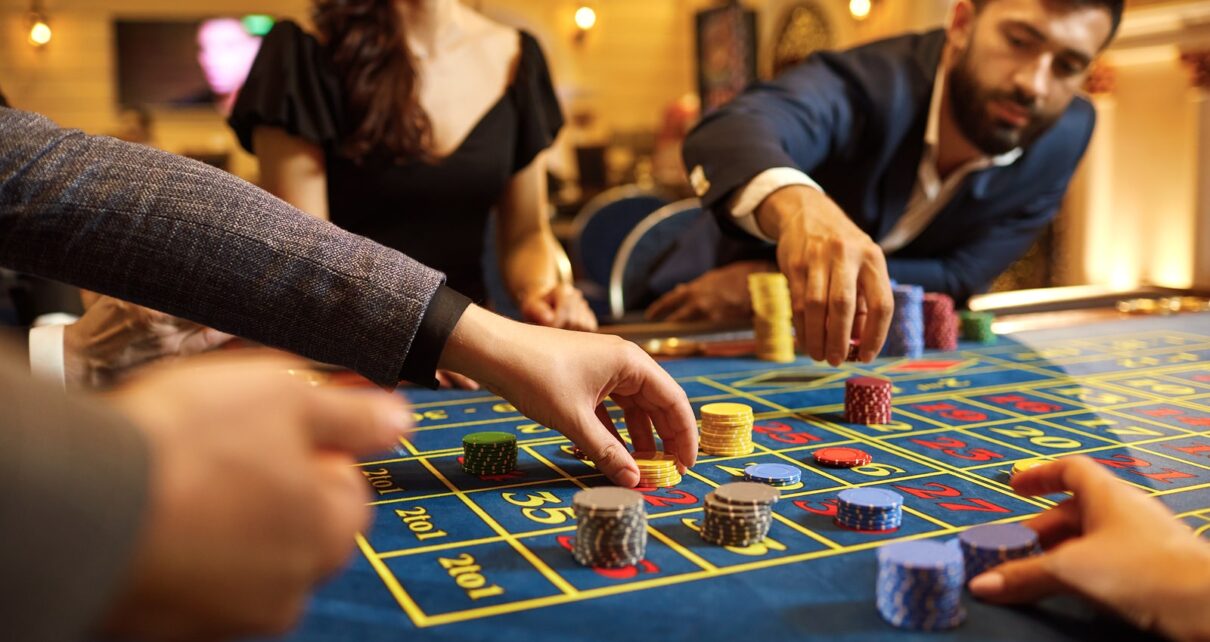
Understanding Global Gambling Cultures: A Case Study of Lucky Mister Casino
Lucky Mister Casino serves as a fascinating case study in understanding the diverse cultural perceptions of gambling. As a premier online gaming platform tailored for UK players, it exemplifies how regional preferences can shape gaming experiences. The site offers over 4,000 games, from popular slots to live dealer options, catering to a wide array of tastes and preferences, thus reinforcing the acceptance of gambling as a form of entertainment in the UK.
The platform’s approach to payment options, including support for cryptocurrencies, reflects the technological advancements that are influencing the gambling industry. This flexibility not only appeals to tech-savvy players but also highlights the evolving nature of transactions in the gambling realm. The emphasis on user-friendly interfaces and 24/7 customer support further exemplifies the commitment to providing a seamless gaming experience, aligning with modern consumer expectations.
By examining the offerings and operational strategies of platforms like Lucky Mister Casino, we gain insights into how cultural perceptions of gambling can evolve over time. The site’s regular promotions and engaging experiences underscore the importance of creating a dynamic environment that resonates with players. Ultimately, the ongoing transformation within the online gambling sector serves as a reflection of broader cultural shifts, illuminating how societies continuously navigate the complexities of gambling and its implications.